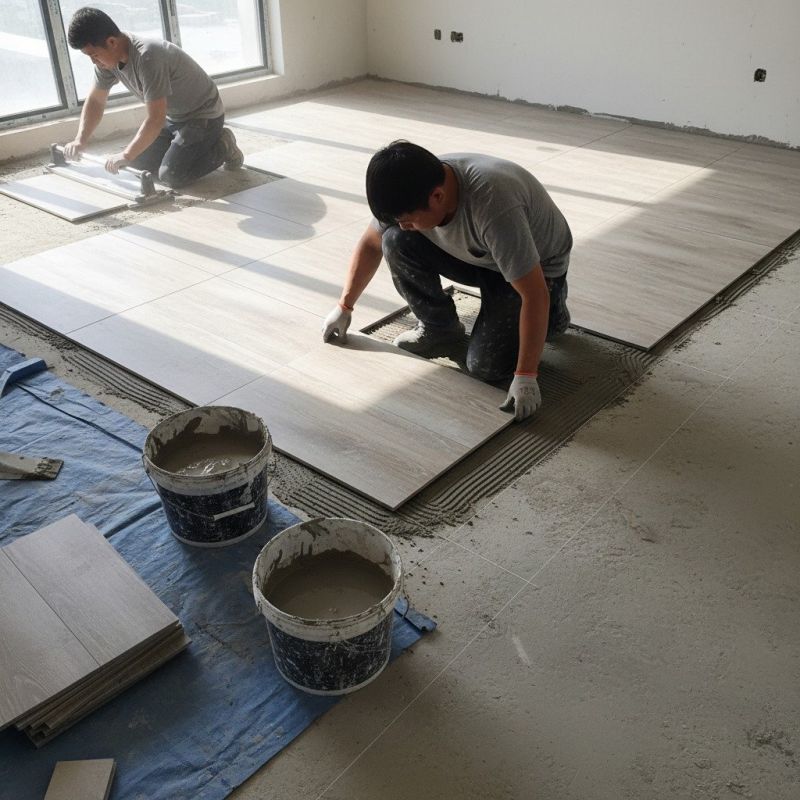
Tile Floor Installation in Longmont, CO
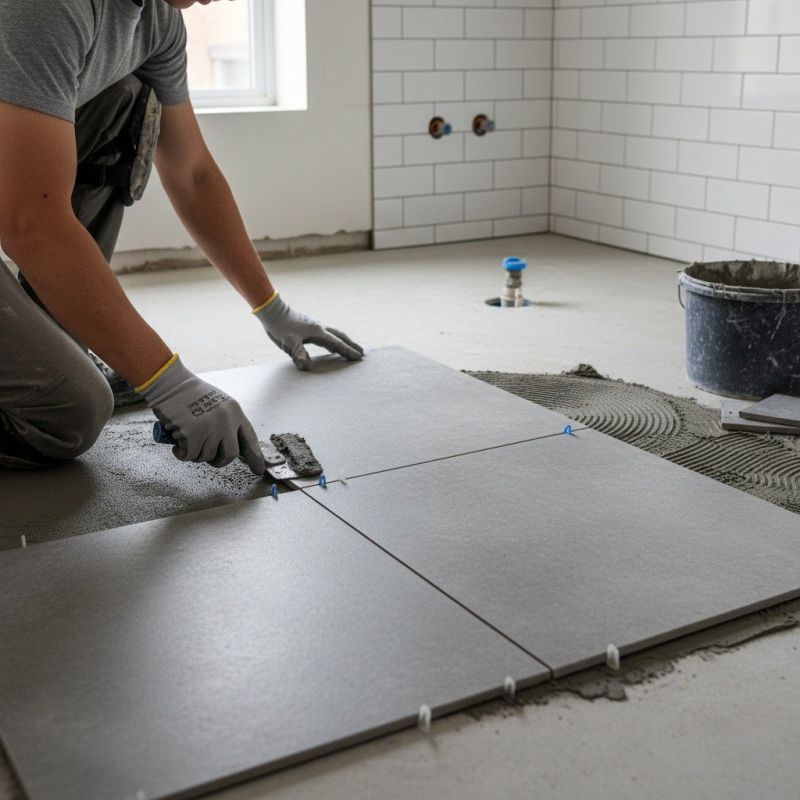
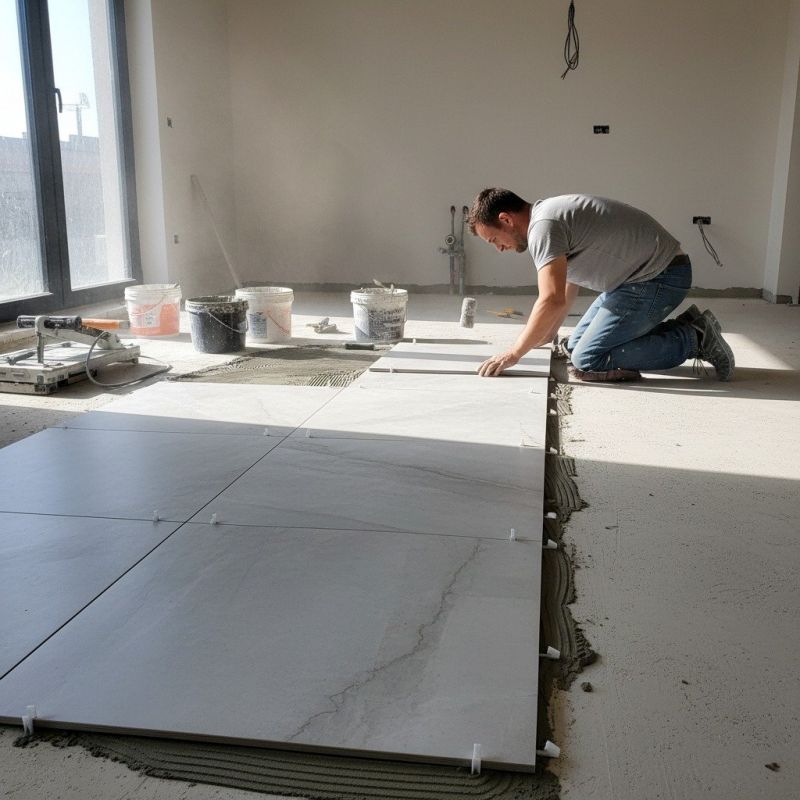
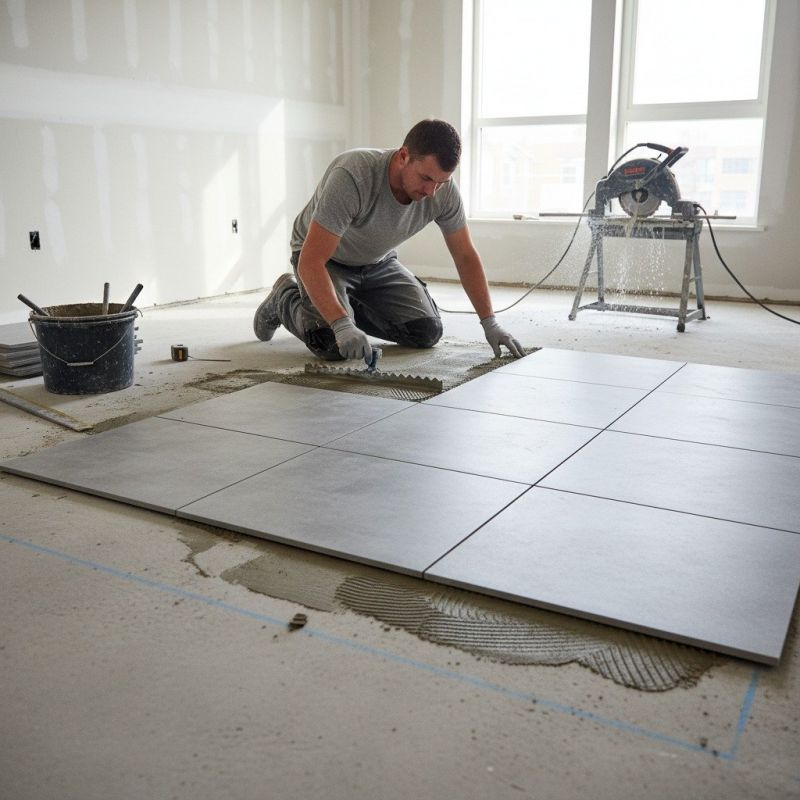
Tile floor installation services involve the placement of durable, attractive tiles on floors in various areas of a property, including kitchens, bathrooms, entryways, and living spaces. These projects typically include preparing the subfloor, laying out the tile pattern, cutting tiles to fit, and applying grout to create a finished, seamless surface. Homeowners often seek this service to upgrade or replace existing flooring, achieve a specific aesthetic, or improve the durability of high-traffic areas. Before requesting tile installation, property owners should consider the type of tile material they prefer, the scope of the project, and any specific design ideas or patterns they wish to incorporate.
Understanding the different tile options-such as ceramic, porcelain, natural stone, or glass-is essential for making an informed choice that aligns with the intended use and style. Property owners usually want to know about the preparation process, the expected lifespan of different tile types, and how the installation will impact their space during the project. Clarifying these details can help ensure the finished floor meets expectations and suits the functional needs of the property.
Many property owners in Longmont, CO look into Tile Floor Installation for repairs, replacements, upgrades, and appearance-related improvements.
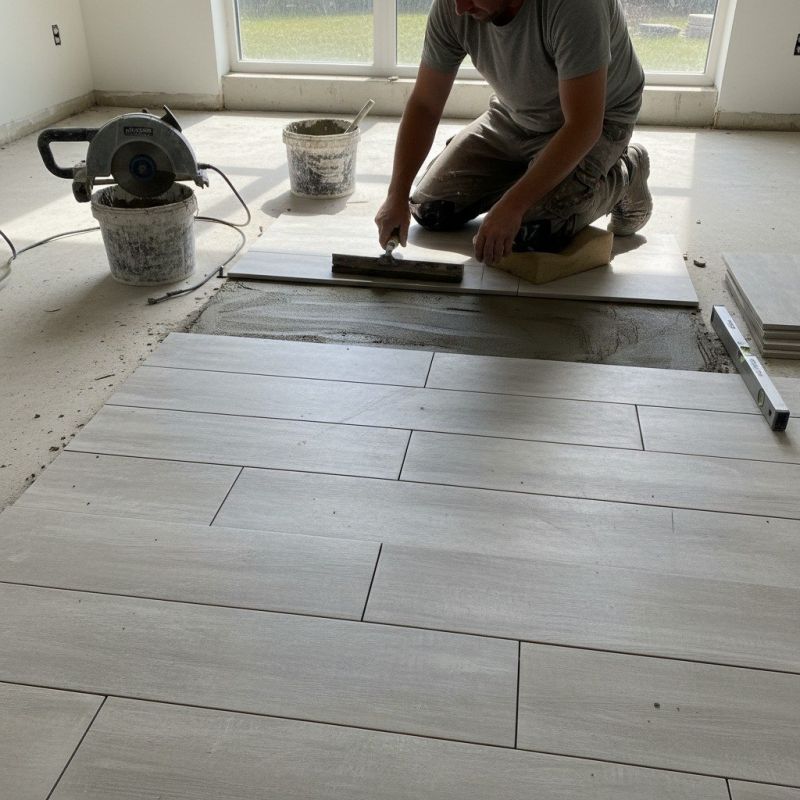
Types Of Tile Floors
Popular options include ceramic, porcelain, and natural stone tiles suited for various spaces.
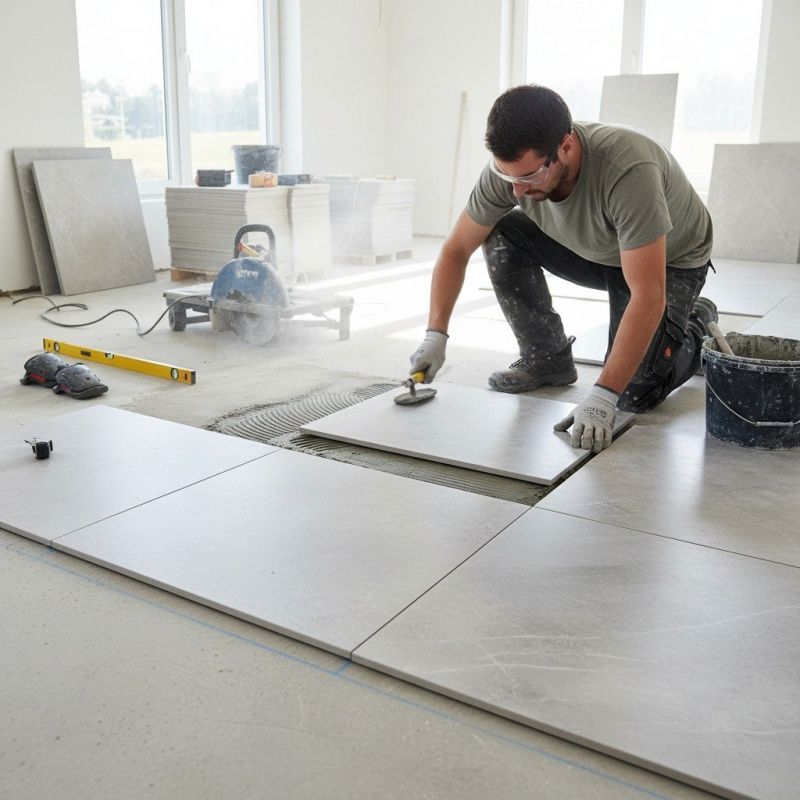
Installation Considerations
Proper surface preparation and precise layout are essential for a durable and attractive tile floor.
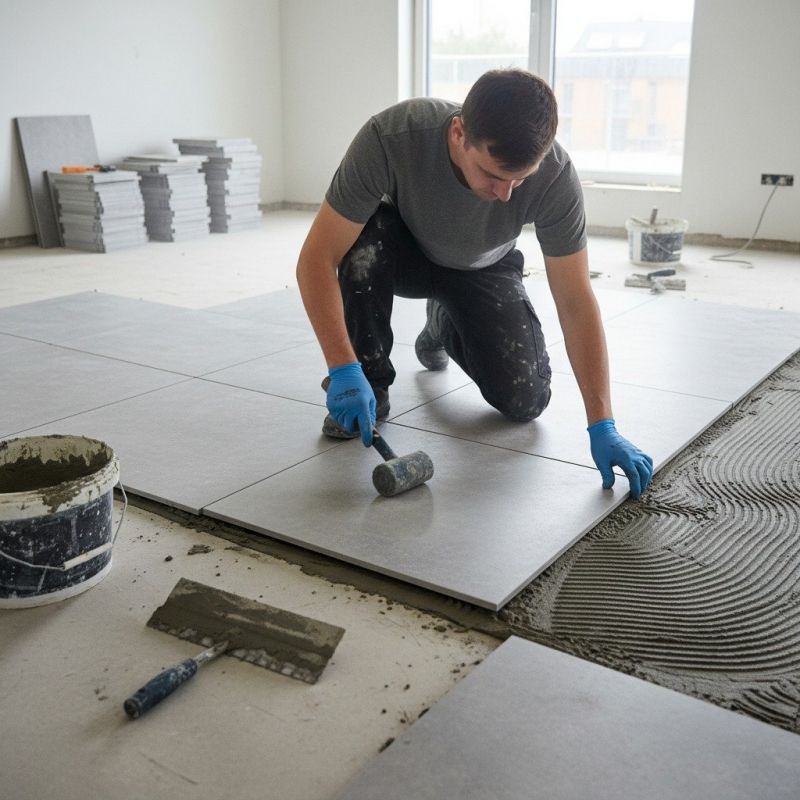
Design And Style Choices
Tile flooring offers a range of colors, patterns, and textures to complement different interior designs in longmont, co.
Tile Floor Installation in Longmont, CO

Tile floor installation services involve the placement of durable, attractive tiles on floors in various areas of a property, including kitchens, bathrooms, entryways, and living spaces. These projects typically include preparing the subfloor, laying out the tile pattern, cutting tiles to fit, and applying grout to create a finished, seamless surface. Homeowners often seek this service to upgrade or replace existing flooring, achieve a specific aesthetic, or improve the durability of high-traffic areas. Before requesting tile installation, property owners should consider the type of tile material they prefer, the scope of the project, and any specific design ideas or patterns they wish to incorporate.
Understanding the different tile options-such as ceramic, porcelain, natural stone, or glass-is essential for making an informed choice that aligns with the intended use and style. Property owners usually want to know about the preparation process, the expected lifespan of different tile types, and how the installation will impact their space during the project. Clarifying these details can help ensure the finished floor meets expectations and suits the functional needs of the property.
Many property owners in Longmont, CO look into Tile Floor Installation for repairs, replacements, upgrades, and appearance-related improvements.
Common Tile Floor Installation Jobs
Kitchen and Bathroom Floors - tile installation enhances the durability and style of high-traffic areas.
Entryways and Foyers - durable tiles provide a welcoming and easy-to-maintain surface.
Living Spaces - tile flooring adds a sleek, modern look to living rooms and family areas.
Commercial Properties - professional tile installation supports high-traffic environments with long-lasting results.
Outdoor Patios - outdoor tile options create attractive and weather-resistant surfaces.
Backsplashes and Accent Walls - tile installation offers versatile design options for interior accents.
Tile Floor Installation Questions
What types of tile are suitable for floor installation? Popular options include ceramic, porcelain, natural stone, and quarry tiles, each offering different durability and style choices for indoor or outdoor spaces.
How should the subfloor be prepared before tile installation? The subfloor should be clean, level, and structurally sound to ensure proper adhesion and prevent cracking or shifting over time.
Is underlayment necessary for tile flooring? Yes, a suitable underlayment helps provide a smooth surface, moisture barrier, and additional support for the tile.
What are common areas where tile flooring is installed? Tile is often used in kitchens, bathrooms, entryways, and laundry rooms due to its durability and easy maintenance.
Request Tile Floor Installation in Longmont, CO
Use the quote form on this page to share the basics of your project and request more information for the type of work you need.